

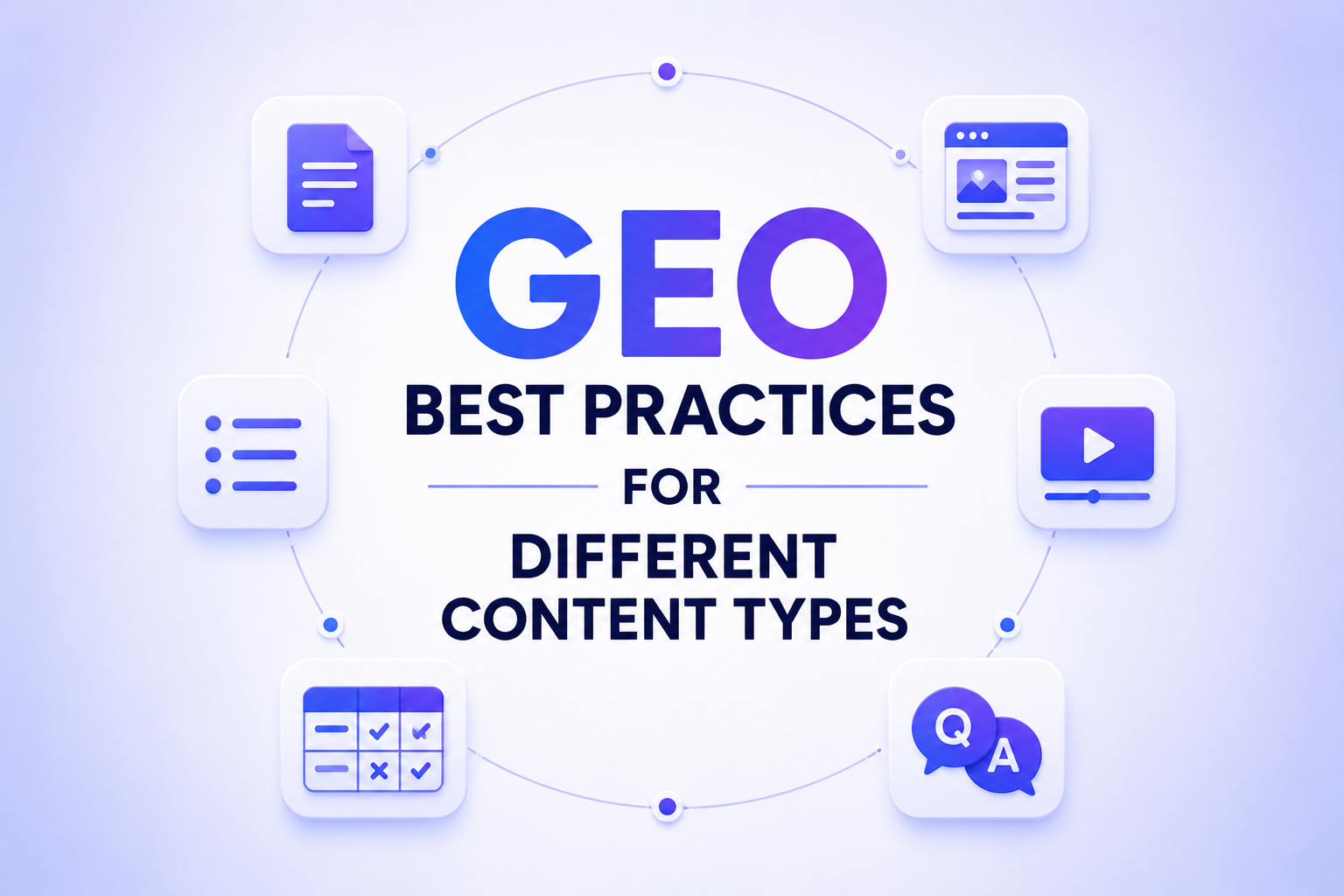
Different content formats demand different GEO optimisation strategies. The fundamental principles of GEO stay unchanged, but the manner in which content is organised should vary from one type of page to another. Using the right optimisation techniques will make it easier for AI systems to comprehend, locate, and reference your content.
Blog Posts
Blog posts still dominate the content culture. Even for GEO, these posts matter a lot as they can answer informational questions. Each blog should start with a direct answer of about 40-60 words. This intro must be the gist of the main topic. TL;DR summary right at the beginning can be a great boost as AI systems can quickly detect main points.
Additionally, Blogs should come up with FAQ sections. Doing so will have the chance to appear on the result of AI generated outputs.
How-To Guides
Since people are often interacting with AI search when seeking how-to content, informative content on people’s questions will be at the top of the AI search. Ideally, a perfect how-to guide would consist of numbered steps that not only show but also make it very clear how the process has been carried out from start to finish.
Implementing HowTo schema provides additional context to AI systems and improves content discoverability. A short summary and proper H2, H3 tags will help your content reach the AI result.
FAQ Pages
FAQ pages are among the most GEO-friendly types of content. As AI systems often produce direct responses to users’ questions, well-organized FAQ sections can quite a bit boost the probability of being cited.
You have to write every question as natural language and give a brief response containing two to four sentences. To allow AI tools to recognize question-answer pairs, FAQPage schema should invariably be implemented. Besides that, the easier and simpler the answers are, the more readily AI platforms will be able to quote them.
Comparison Pages
Comparison pages rank very high in search performance, as comparing one product, service tool, or solution to another is one of the most common user requests when they engage with AI systems. They should be well structured and have comparison tables, pros and cons written in detail, feature breakdowns, and data to back up the comparisons.
When creating answers, comparisons loaded with facts give AI systems high-quality, accurate data that can be converted into the content very naturally. Additionally, article schema and formatting that is geared toward comparisons help gain even more citations.
Landing Pages
Landing pages’ main focus should be on being clear and giving value right away. So, rather than starting with promotional words, you can first clearly tell what you are providing through the service, product, or solution.
Breaking your text into short paragraphs, using sections with direct answers, and clearly stating what you want visitors to do would improve the experience for both users and AI systems. Besides, the article schema helps AI and makes sure to keep your design strongly oriented to conversions.
